In the sun-drenched savannas of West Africa, the Shea tree (Vitellaria paradoxa) is more than just a plant. It is a lifeline, a legacy, and a testament to the quiet, enduring power of women. Known as “women’s gold,” shea butter is a globally sought-after ingredient in the cosmetics and food industries. But behind every jar of luxurious cream lies a story of resilience, community, and an economic ecosystem that is profoundly female.
This is the story of how local women are transforming a traditional craft into a powerful vehicle for sustainable development and climate resilience.
A Tree of Life, A Legacy of Women
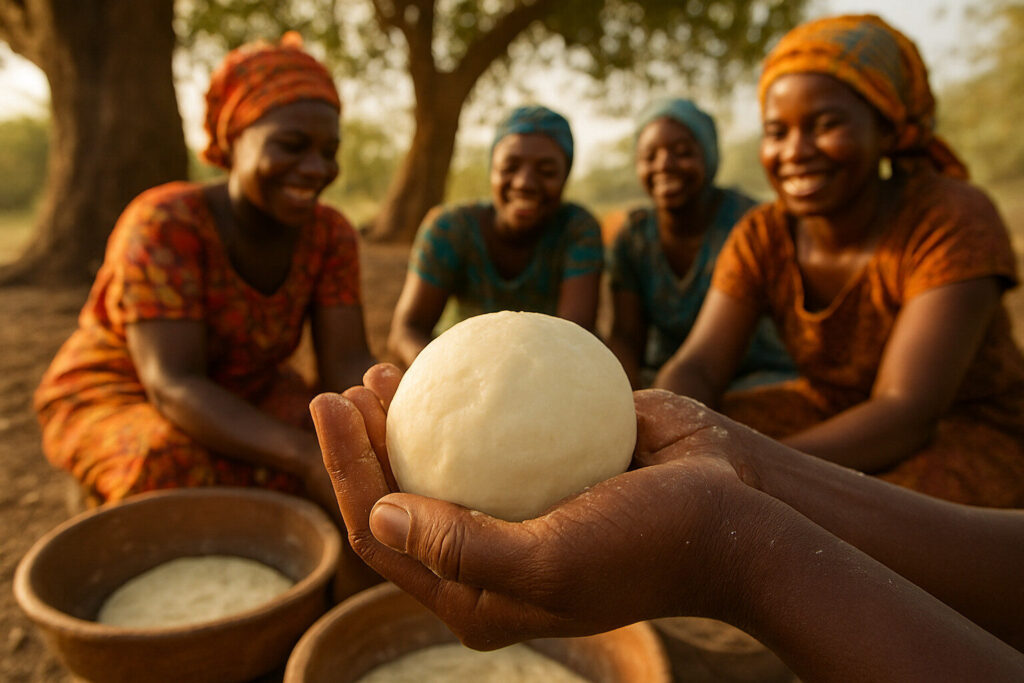
The shea tree is a natural gift that cannot be cultivated; it grows wild and takes up to 25 years to bear fruit. Its preservation is inherently sustainable, as its value discourages deforestation. For centuries, the knowledge of shea—how to harvest the nuts, boil them, crush them, and expertly extract the rich butter—has been passed down from mother to daughter.
This matriarchal knowledge system has made shea production an almost exclusively female-dominated sector in rural areas. It is more than an income source; it’s a cultural right and a vital economic safety net for millions of women and their families.
From Local Staple to Global Gold
Traditionally, shea butter was used locally for cooking, skin protection, and medicinal purposes. Today, the global demand for natural and organic products has opened up international markets. This is where the true transformation begins.
Instead of remaining as isolated collectors selling raw nuts for meager prices, women are organizing. They are forming cooperatives and women-led associations that allow them to:
-
Command Fair Prices: By pooling their resources, they can process the nuts into higher-value shea butter and negotiate directly with buyers, bypassing middlemen.
-
Invest in Their Communities: The income from shea is predominantly reinvested by women into their families—paying for their children’s school fees, healthcare, and better nutrition. This creates a powerful ripple effect, lifting entire communities.
-
Gain Financial Independence: For many women, shea provides their first independent income, granting them greater decision-making power and status within their households and communities.
The Double Dividend: Economic Empowerment and Environmental Stewardship
The shea value chain is a powerful example of a green economy in action. It provides a compelling incentive to protect the shea parklands from the threats of deforestation for charcoal or uncontrolled agricultural expansion.
When a standing shea tree is worth more than it is as firewood, it becomes a protected asset. The women who depend on these trees for their livelihoods become their most passionate guardians. They are leading efforts in:
-
Sustainable Harvesting: Using techniques that do not harm the trees.
-
Natural Regeneration: Actually nurturing and protecting wild shea saplings.
-
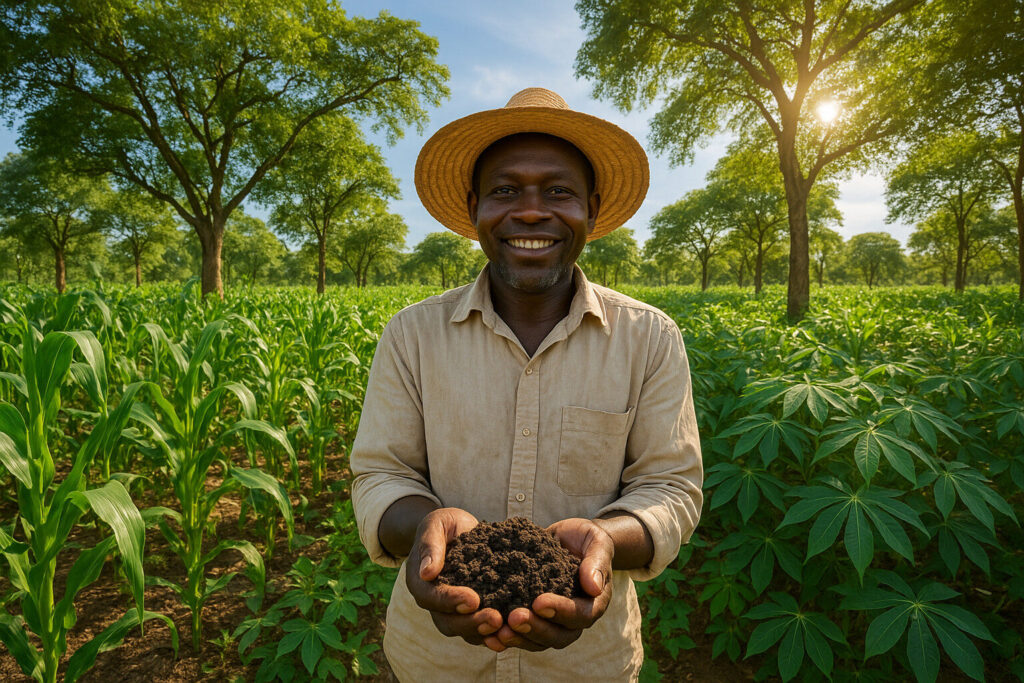
Agroforestry: Integrating shea trees into their farmlands, which improves soil health and provides shade for other crops.
In this way, the shea enterprise directly aligns women’s economic success with the health of the local ecosystem, making them frontline defenders against climate change and desertification.
Challenges and the Path Forward
The journey is not without its hurdles. Women shea producers often face challenges like a lack of access to modern processing equipment, limited business training, and the volatile prices of the global market.
The key to overcoming these challenges lies in:
-
Direct Partnerships: Ethical brands that partner directly with cooperatives, ensuring a fair wage.
-
Capacity Building: Providing training and resources to help women improve the quality and efficiency of their production.
-
Market Access: Creating platforms that connect these women-led cooperatives directly to conscious consumers around the world.
A Cream with a Conscience
When you choose a product made with ethically sourced shea butter, you are buying more than a skincare item. You are investing in a child’s education, a woman’s independence, and the preservation of a landscape. You are supporting a model of development that is community-led, environmentally sound, and powerfully feminine.
The story of women and shea is a powerful reminder that some of the world’s most effective solutions are not top-down, but ground-up, nurtured by the skilled hands of those who have the most to lose, and the most to gain.
Have you ever considered the story behind the shea butter in your products? Look for brands that support women’s cooperatives—your purchase can be part of a powerful cycle of good. Share your favorite ethical brands in the comments!